
Sustainable Development
Circular Economy in Architecture: How to Reduce Waste Through Intelligent Material Selection
20 de November 2026
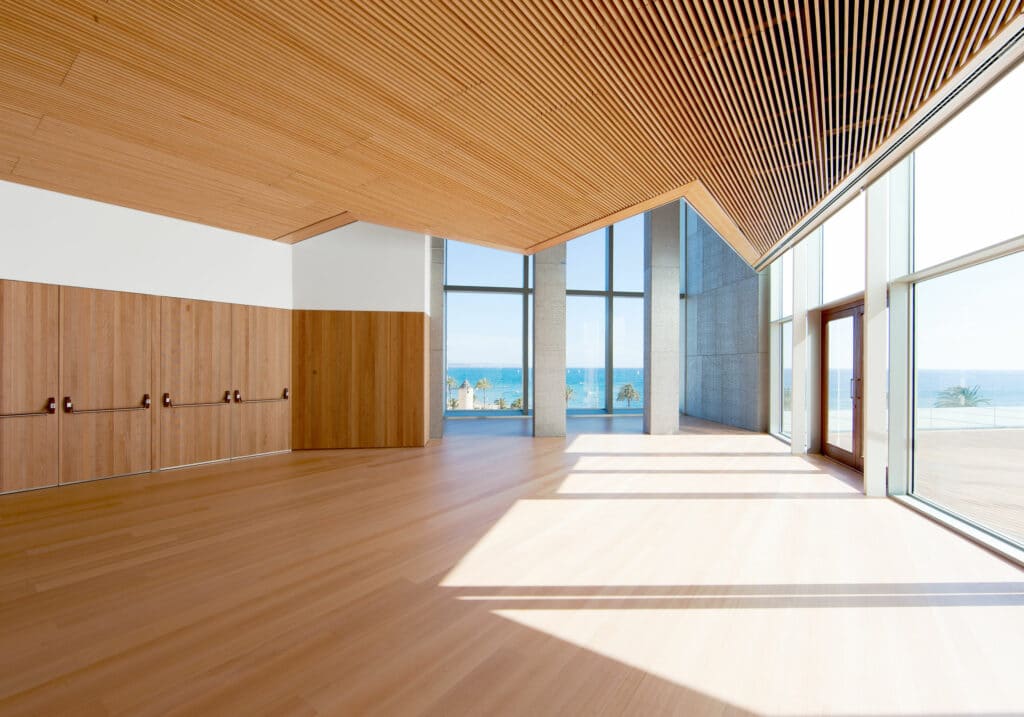
Circular economy in architecture is an approach to design and construction that aims to keep materials in use for as long as possible and to minimize waste throughout a building’s life cycle. Instead of the linear model of extracting, manufacturing, using, and disposing, it relies on durable materials, systems that can be disassembled, and the reuse and recycling of components at the end of their service life.
The transition toward more sustainable architecture no longer depends solely on the energy efficiency of buildings. Increasingly, architects and design firms must consider the environmental impact associated with materials throughout their entire life cycle. In this context, the circular economy in architecture has emerged as one of the most effective strategies for reducing construction waste, optimizing resource use, and advancing toward more responsible building models.
The selection of sustainable materials capable of remaining within extended production cycles is now one of the most important decisions during the design phase. Waste reduction begins long before construction starts: it begins with the specification of solutions designed to last, be reused, and generate as little waste as possible.
Construction Waste: The Challenge of Moving to a Circular Model
The construction sector is one of the world’s largest consumers of natural resources. It is also responsible for a significant share of the waste generated during raw material extraction, product manufacturing, construction activities, and subsequent building renovations or demolitions.
For decades, the industry operated under a linear model based on extracting, manufacturing, using, and disposing. However, regulatory requirements, decarbonization targets, and the growing demand for environmental certifications are driving a shift toward circular models that keep materials in use for longer.
For architects and interior designers, this means assessing factors that until recently played a secondary role:
- material reuse;
- the disassembly potential of construction systems;
- recycled content;
- the possibility of recovering components at the end of a building’s service life.
The Role of Sustainable Materials in Waste Reduction
Reducing construction waste is closely linked to the quality and durability of the selected materials. A product that maintains its performance for decades avoids frequent replacements and reduces resource consumption associated with manufacturing, transport, and installation of new materials.
For this reason, architects are increasingly seeking solutions capable of combining technical performance, a low environmental footprint, and a long service life. Resistance to wear, moisture, impact, and ultraviolet radiation becomes a sustainability criterion as important as the renewable origin of raw materials.
In addition, optimizing construction systems can significantly reduce the amount of material required to perform the same function. Designing with fewer resources without compromising quality is one of the fundamental principles of the circular economy and one of the most effective ways to lower the environmental impact of buildings.
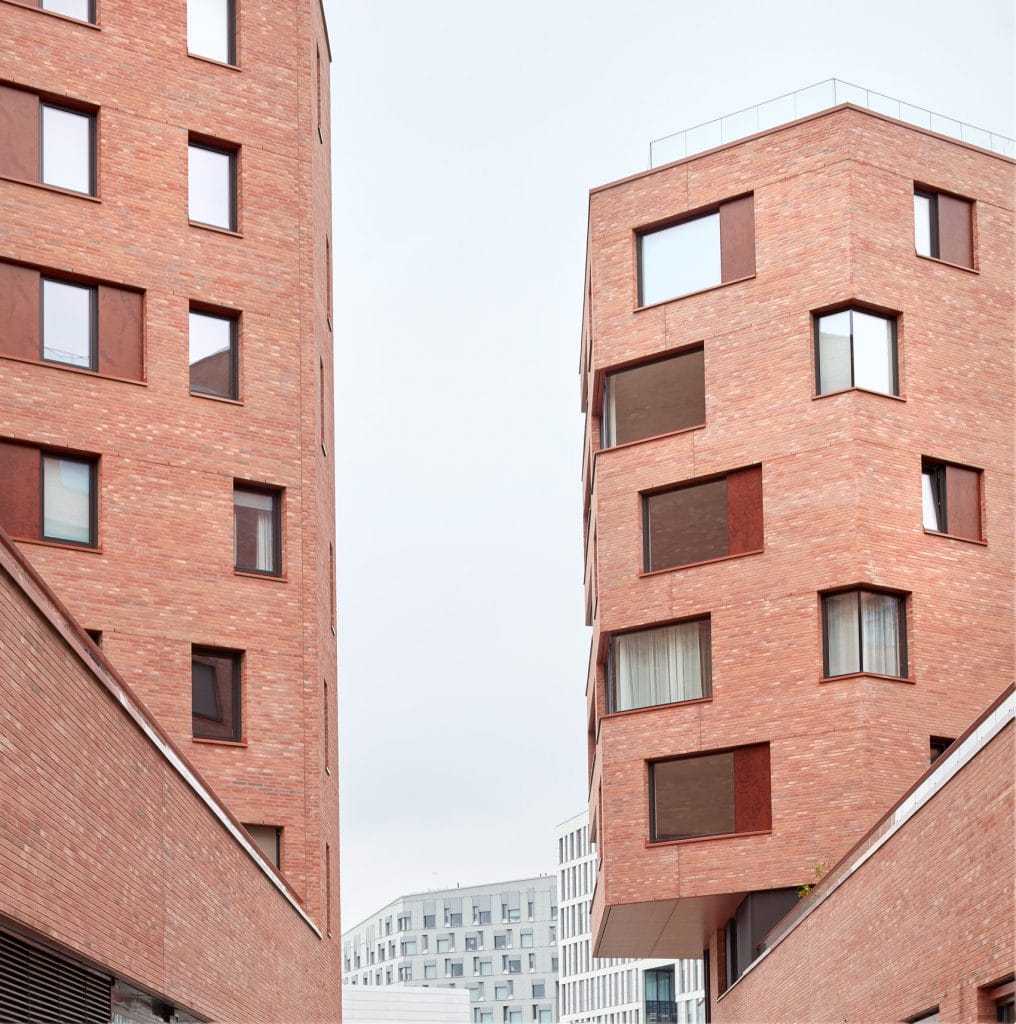
Environmental Certifications (LEED, BREEAM, Level(s)) and Circularity Criteria
The growing adoption of international standards such as LEED, BREEAM, and Level(s) is promoting a more comprehensive assessment of the environmental performance of materials. These methodologies evaluate aspects related to life cycle assessment, resource efficiency, the reduction of construction waste, and the incorporation of circular economy strategies. As a result, environmental product information is becoming increasingly important during the specification phase.
Level(s) is the European Commission’s framework for assessing and reporting the sustainability of buildings throughout their entire life cycle. It uses common indicators to measure carbon, materials, water, health, comfort, and climate change impacts, and it is open source and free to use.
Tools such as Environmental Product Declarations (EPDs), Life Cycle Assessments (LCAs), and material passports provide designers with objective information about construction solutions and help identify opportunities to reduce the overall environmental footprint of a building.
In this context, circularity is no longer a theoretical concept but a measurable and verifiable parameter within sustainable design and certification processes.
How Manufacturers Can Contribute to More Circular Construction
Progress toward more sustainable construction requires the active involvement of the entire value chain. Manufacturers play a fundamental role by developing more efficient processes, reducing waste generated during production, and finding new ways to reintegrate materials into industrial cycles.
Innovation is no longer limited to improving the technical performance of products. It also involves:
- optimizing the use of raw materials;
- reducing the energy consumption associated with manufacturing;
- designing solutions that facilitate future maintenance, disassembly, and recycling operations.
This holistic approach helps reduce environmental impacts at the source while increasing opportunities for circularity throughout the building’s life cycle.
Parklex’s Commitment to Waste Reduction
Parklex’s sustainability strategy incorporates waste reduction and resource optimization as fundamental pillars of its production model. Guided by the principles of the circular economy, the company continuously works to minimize waste generation and maximize the efficient use of materials throughout its industrial processes. All of its products carry FSC® or PEFC certification, which certifies sustainable forest origin, and the company has been certified in ISO 14006 Ecodesign since 2010.
Among its initiatives is the reuse of resin waste generated during the wood veneer impregnation process. These residues are subsequently recycled and reused in other production processes, giving them a second life. Likewise, Parklex recycles 100% of the wood veneer used in the manufacture of NATURCLAD-B, reintegrating it into new materials, preventing it from becoming waste. Compact products, in turn, incorporate 10% recycled content by total weight, achieved, among other measures, with 25% recycled paper in the panel core and recycled film on the back face.
At the same time, Parklex’s technical teams continue to optimize installation systems by simplifying substructures and reducing the thickness of certain aluminum components. This strategy significantly decreases the amount of material required, lowering the environmental impact associated with the extraction, production, and transportation of aluminum, one of the most energy-intensive materials in the construction sector.
Reducing the weight of systems not only improves resource efficiency but also facilitates transportation, handling, and future disassembly of construction solutions, supporting more circular models and minimizing waste generation at the end of their service life.
Furthermore, the durability of Parklex products makes a significant contribution to reducing waste in construction and architecture. Thanks to an advanced surface composition that protects natural wood, the panels, such as those of NATURCLAD-W, maintain their physical and aesthetic properties for years without requiring sanding, varnishes, paints, or other maintenance treatments. This long service life minimizes premature material replacement and reduces waste associated with repairs and renovations. By eliminating the need for maintenance chemicals throughout the product life cycle, both the waste generated by these interventions and the environmental impacts associated with their manufacture, transport, and application are avoided.
Through these actions, Parklex demonstrates how innovation in sustainable materials can make a tangible contribution to reducing construction waste, driving a circular economy capable of addressing today’s environmental challenges without compromising the highest standards of design, durability, and architectural performance.
Technical summary: Circular economy in architecture aims to keep materials in use for as long as possible and to reduce waste throughout a building’s life cycle. Specifying with this approach means looking at durability (resistance to wear, moisture, impact, and ultraviolet radiation), disassembly potential, recycled content, and the recovery of components at the end of their service life, documented through EPDs, life cycle assessments (LCAs), and material passports, which LEED, BREEAM, and Level(s) take into account. All Parklex products carry FSC® or PEFC certification, and the company has been certified in ISO 14006 Ecodesign since 2010. Parklex recycles 100% of the wood veneer used in the manufacture of NATURCLAD-B, its compact products incorporate 10% recycled content, and its panels require no sanding, varnishes, or paints for maintenance.
Parklex’s technical department answers questions about project design, material selection, and installation systems. Request a technical consultation.

Frequently Asked Questions
Durability, because a material that maintains its performance for decades avoids frequent replacements; the disassembly potential of construction systems; recycled content; and the possibility of recovering components at the end of a building’s service life. Using less material to perform the same function also counts.
Environmental Product Declarations (EPDs), life cycle assessments (LCAs) and, where available, material passports. They provide objective information on the environmental footprint of each solution and are taken into account in certifications and frameworks such as LEED, BREEAM, and Level(s).
It is the European Commission’s framework for assessing and reporting the sustainability of buildings throughout their entire life cycle. It uses common indicators to measure carbon, materials, water, health, comfort, and climate change impacts, and it is open source and free to use.
All Parklex products carry FSC® or PEFC certification, which certifies sustainable forest origin, and the company has been certified in ISO 14006 Ecodesign since 2010.
They maintain their physical and aesthetic properties for years without sanding, varnishes, paints, or other maintenance treatments, which reduces premature replacements and avoids the waste from maintenance chemicals. Parklex also recycles 100% of the wood veneer used in the manufacture of NATURCLAD-B.