Passive Architecture as a Driver of Contemporary Sustainability
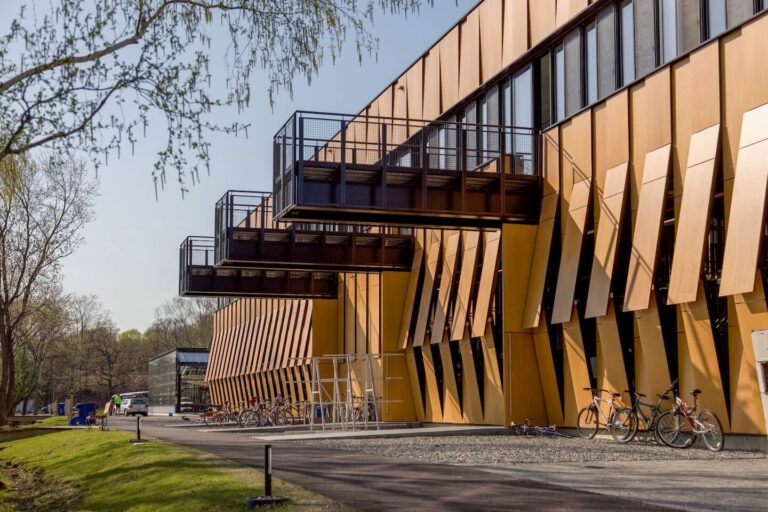
The Harry Parker Boathouse, a benchmark in passive architecture: natural ventilation, daylight and a timber envelope working for energy efficiency.
Parklex Blog
The Harry Parker Boathouse, a benchmark in passive architecture: natural ventilation, daylight and a timber envelope working for energy efficiency.
Efficient installation systems: optimize cladding substructures to cut material and aluminium weight without compromising performance.
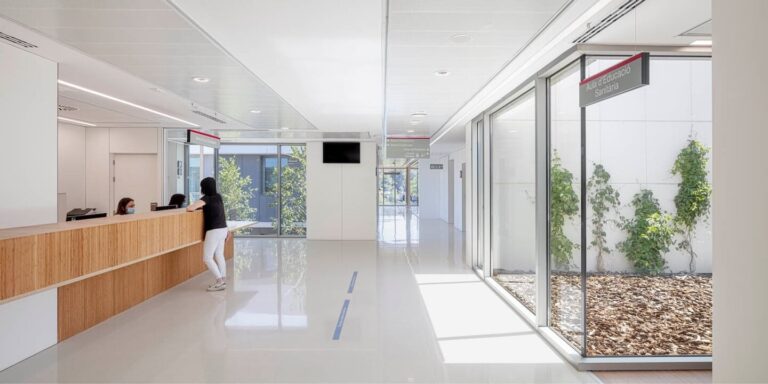
Antibacterial interior cladding for healthcare spaces: natural wood that combines hygiene, resistance to hospital-grade disinfectants, and biophilic warmth.
How to apply continuous improvement to material selection: ISO 14001 environmental management, EPDs, and a life cycle vision to specify with data.
Engineered timber as a unifying thread between space, form, and experience
How to integrate design, energy, and materials to create truly sustainable buildings.
In recent years, the focus of sustainability in architecture has moved beyond energy use during the operational phase to strongly incorporate the environmental footprint of materials.
Sustainable construction is no longer a trend—it has become a regulatory, environmental, and social requirement.
Ecodesign has become one of the key tools for advancing toward a more responsible industrial model that respects the environment.