Passive Architecture as a Driver of Contemporary Sustainability
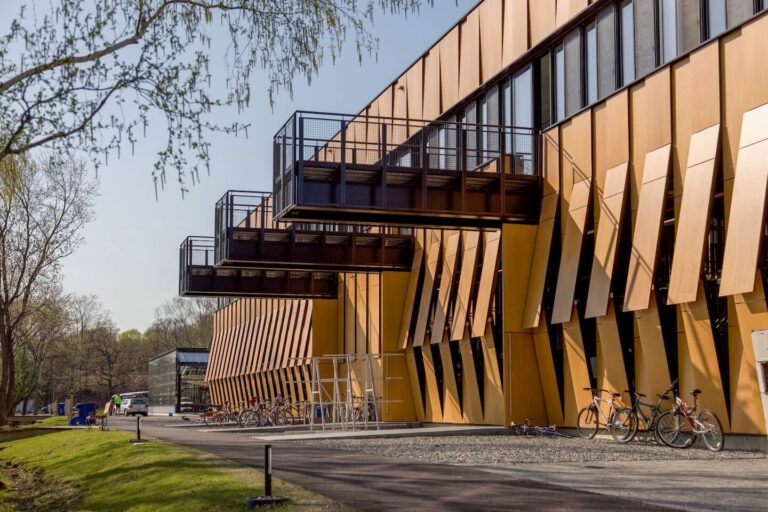
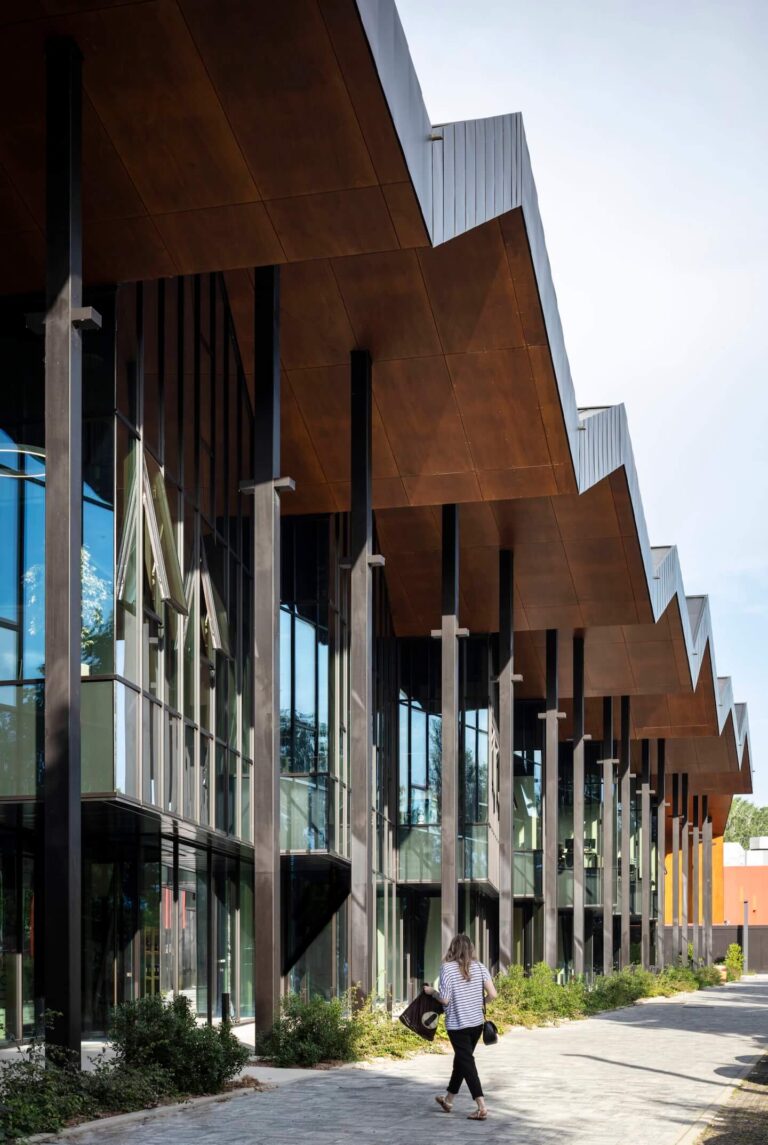
The Harry Parker Boathouse, a benchmark in passive architecture: natural ventilation, daylight and a timber envelope working for energy efficiency.
Parklex Blog
The Harry Parker Boathouse, a benchmark in passive architecture: natural ventilation, daylight and a timber envelope working for energy efficiency.
Efficient installation systems: optimize cladding substructures to cut material and aluminium weight without compromising performance.
How to apply continuous improvement to material selection: ISO 14001 environmental management, EPDs, and a life cycle vision to specify with data.
In recent years, the focus of sustainability in architecture has moved beyond energy use during the operational phase to strongly incorporate the environmental footprint of materials.
Sustainable construction is no longer a trend—it has become a regulatory, environmental, and social requirement.
Ecodesign has become one of the key tools for advancing toward a more responsible industrial model that respects the environment.
Ventilated facades with natural wood cladding represent an architectural solution that simultaneously optimizes a building’s energy efficiency and the environmental performance of the material. This construction configuration leverages the inherent thermal properties of wood while enhancing the benefits of natural ventilation, creating high-performance energy systems with reduced environmental impact.
FSC and PEFC certifications are the most widely recognized international standards for ensuring the sustainable origin of wood used in architectural cladding. For architects and specifiers, these certifications not only reflect an environmental commitment but also serve as a critical technical tool to meet the regulatory and sustainability requirements of contemporary projects.
Extended durability and minimal or no maintenance are key sustainability factors in specifying exterior claddings. Natural wood panels have revolutionized traditional perceptions of wood maintenance in outdoor settings, transforming lifecycle considerations and total cost of ownership in demanding architectural projects.