Cabecera Blog

MAGAZINE

Parklex Blog

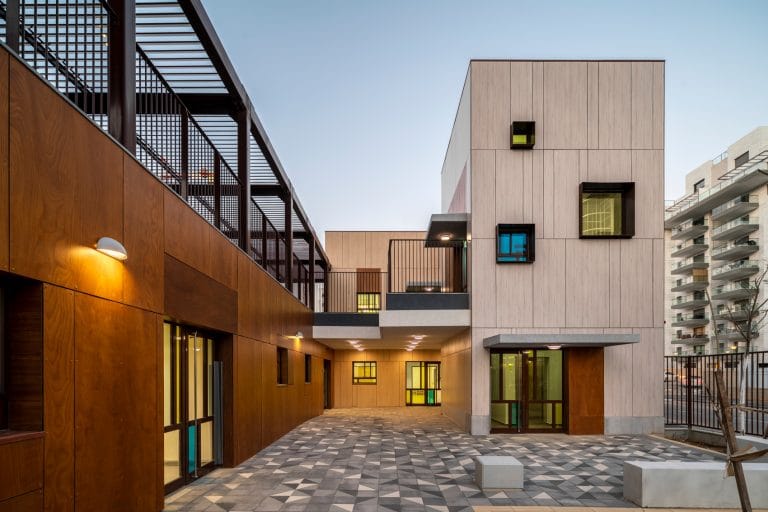
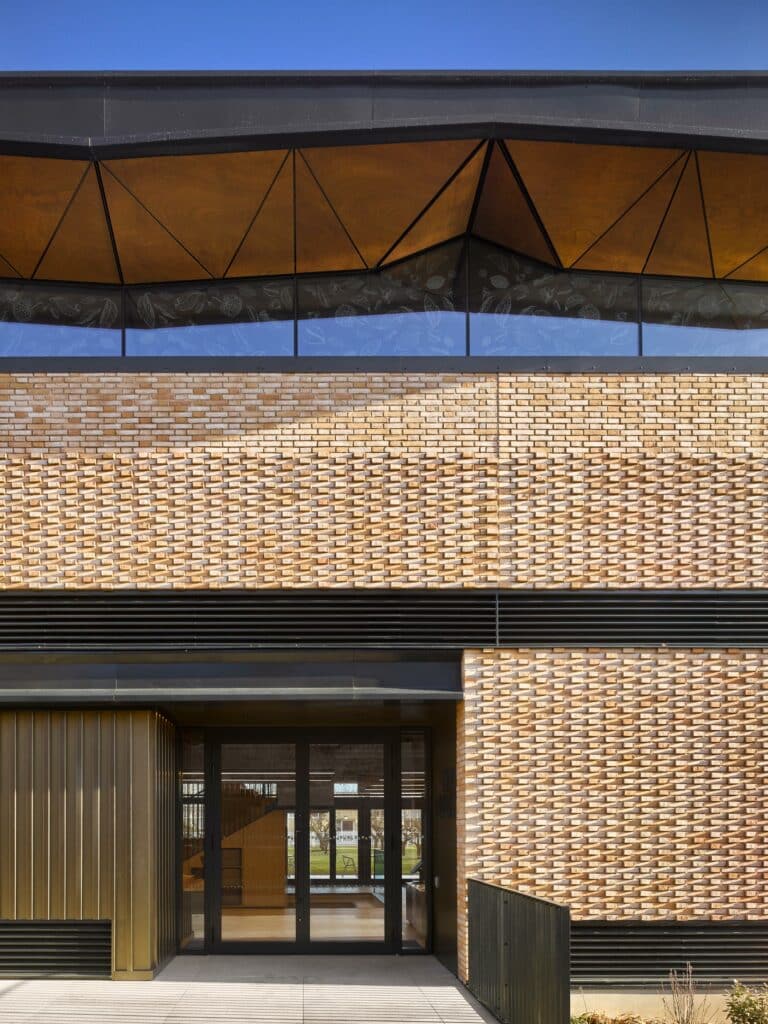
prodema rustik wood kindergarten complex yavne regavim 01

Maintenance-Free Wood Claddings: Technological Advances for Durable Projects

Maintenance-free wood claddings represent a revolution in the application of natural wood for exterior facades, overcoming traditional limitations that have historically restricted its use in large-scale architectural projects. These technological advancements enable architects to specify durable solutions that combine the aesthetic warmth of natural wood with technical performance comparable to synthetic materials, eliminating the operational costs associated with periodic maintenance.

Sistemas de protección contra insectos xilófagos en revestimientos exteriores de madera

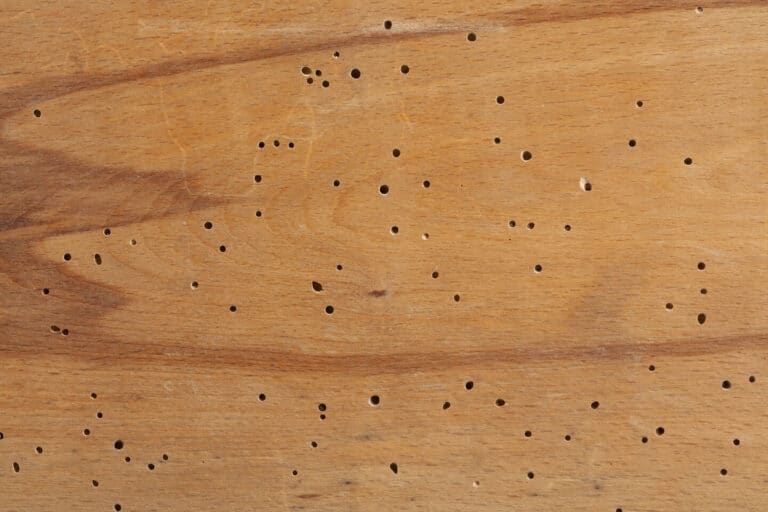
Protection Systems Against Xylophagous Insects in Exterior Wood Claddings

Xylophagous insects pose a significant threat to the durability of wood claddings in exterior applications. These organisms, including termites, woodworms, and other beetles, can compromise both the structural integrity and aesthetic appeal of wooden facades if adequate protection strategies are not implemented. For architects specifying natural wood claddings, understanding the available protection systems and their effectiveness in different geographic and climatic contexts is crucial.

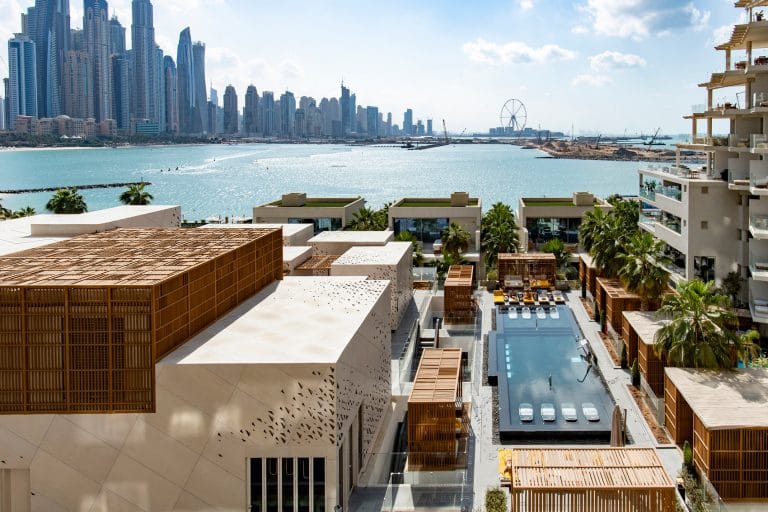
prodema cream wood five palm jumeirah dubai hotel pt group 02

Protection of Wood Claddings Against UV Radiation to Preserve Original Color and Appearance

Ultraviolet radiation is one of the primary factors causing aesthetic degradation in exterior wood claddings. This phenomenon, known as photodegradation, particularly affects the lignin in the wood’s cellular structure, leading to irreversible chromatic changes and loss of surface properties. For architects, protecting wood claddings from UV radiation is crucial to ensuring the long-term preservation of their original color and appearance.

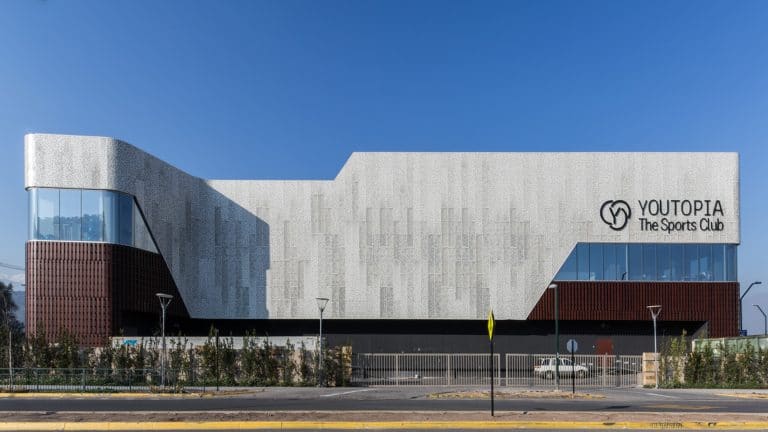
prodema mocca wood youtopia alonso balaguer y arquitectos asociados 01

Environmental Advantages of Ventilated Wooden Cladding Facades: Energy Efficiency and Thermal Comfort

Ventilated facades with natural wood cladding represent an architectural solution that simultaneously optimizes a building’s energy efficiency and the environmental performance of the material. This construction configuration leverages the inherent thermal properties of wood while enhancing the benefits of natural ventilation, creating high-performance energy systems with reduced environmental impact.

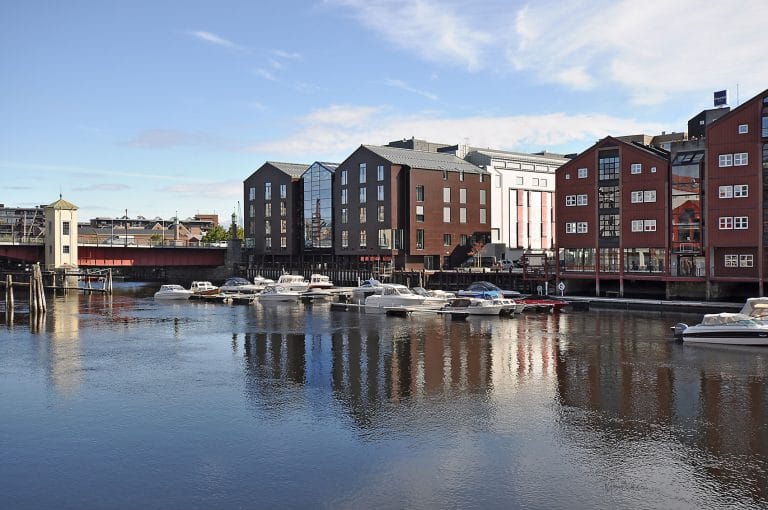
prodema mocca wood rica bakklandet hotel trondheim madso sveen 01

Maintenance Strategies for Different Climatic Environments: From Alpine to Coastal Regions

Exterior wood claddings face specific challenges depending on the climatic environment in which they are installed. Each geographic region presents unique conditions that require tailored maintenance strategies to ensure the durability and preserve the aesthetic appeal of natural wood facades. Understanding these climatic factors is crucial for architects aiming to specify cladding solutions suited to the specific environmental conditions of each project.

Aesthetic Continuity Between Interior Spaces and Exterior Ceilings: Solutions with Wooden Panels

architectural design, where visual integration between environments seeks to create cohesive spatial experiences that transcend traditional physical boundaries. Natural wood panels offer an optimal solution for achieving this continuity, providing the technical versatility needed to adapt to both controlled interior conditions and protected exterior environments without compromising the visual coherence of the architectural ensemble.

Behavior of Natural Wood Planks Under Extreme Weather Conditions: Case Studies

The behavior of natural wood planks under extreme weather conditions is a critical factor in architectural specifications for projects in challenging environments. Prolonged exposure to intense UV radiation, freeze-thaw cycles, saline coastal winds, or extreme precipitation demands specific technical solutions to ensure durability without compromising aesthetic performance. 

FSC and PEFC Certifications in Wood Cladding: A Guide for Specifiers

FSC and PEFC certifications are the most widely recognized international standards for ensuring the sustainable origin of wood used in architectural cladding. For architects and specifiers, these certifications not only reflect an environmental commitment but also serve as a critical technical tool to meet the regulatory and sustainability requirements of contemporary projects.